1TB SSD vs USB Stick for Pakistani Students: Best 2026 Picks
N.N Laptop Team — N.N Laptops Team
Choosing between 1TB external SSDs and USB sticks for Pakistani students? Get honest 2026 recommendations for speed, durability, and price at N.N Laptops.
Prices & stock referenced were checked at our shop on — current prices at nnlaptops.com/shop.
External SSD vs USB Stick for Pakistani Students: 1TB Recommendations 2026
For Pakistani students navigating the demands of modern education, choosing the right portable storage is crucial. While USB sticks offer ultimate portability and affordability, 1TB external SSDs provide significantly superior speed, durability, and capacity, making them a worthwhile investment for large projects, multimedia files, and faster data transfers. In 2026, the decision hinges on balancing budget, performance needs, and the lifespan of your data storage solution.
Understanding Your Storage Needs as a Student
As a student in Pakistan, your data storage requirements can vary wildly. From hefty assignment files and research papers to multimedia projects, software installations, and even personal media libraries, the need for ample and reliable storage is paramount. The typical student workflow often involves moving large files between university labs, home computers, and personal devices. This is where the choice between an external SSD and a traditional USB stick becomes particularly relevant, especially when considering a substantial 1TB capacity.
The Rise of 1TB Storage
The demand for 1TB storage solutions has surged, driven by increasingly complex software, high-resolution video projects, and the sheer volume of digital information students now handle. Gone are the days when a few gigabytes were sufficient. Today, a 1TB drive is becoming the standard for serious academic work, offering peace of mind and ample room for growth. This capacity ensures you won't be constantly deleting files or juggling multiple smaller drives, a common frustration for students in cities like Lahore where reliable internet for cloud backups can be intermittent.
External SSDs: The Speed Demons for Serious Work
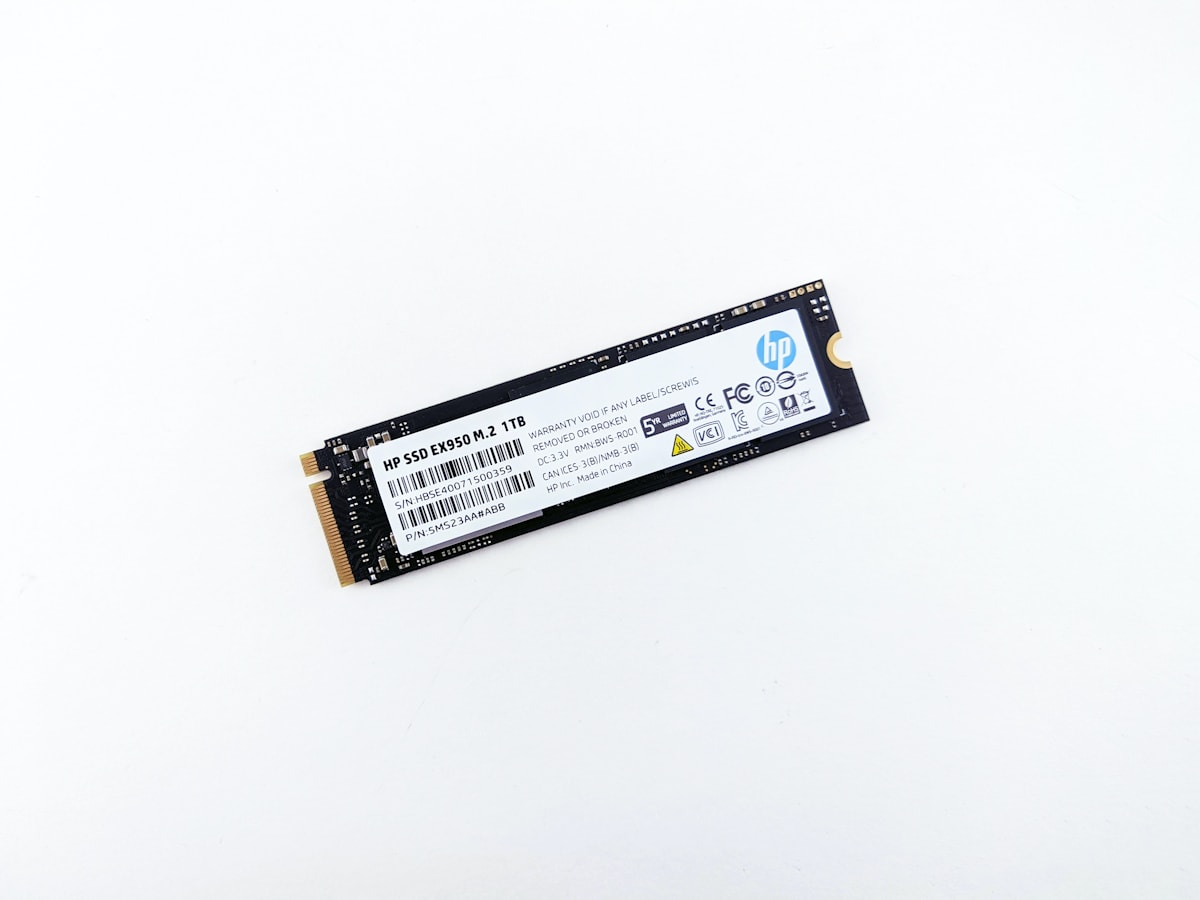
External Solid State Drives (SSDs) represent the pinnacle of portable storage technology. Unlike traditional Hard Disk Drives (HDDs) that use spinning platters, SSDs utilize flash memory chips. This fundamental difference translates into dramatically faster read and write speeds, increased durability, and silent operation. For students in Pakistan, this means significantly reduced loading times for applications, faster file transfers, and quicker boot times if you choose to run operating systems or software directly from the drive.
Key Advantages of External SSDs
- Speed: Expect read/write speeds that can be hundreds of times faster than USB sticks, often exceeding 500MB/s and even reaching into the gigabytes per second range with NVMe-based external SSDs. This is a game-changer for video editing, large dataset analysis, or simply transferring gigabytes of lecture recordings.
- Durability: With no moving parts, SSDs are far more resistant to physical shock, drops, and vibrations. This is crucial for students who are constantly on the go, commuting between classes, or perhaps living in areas with frequent power fluctuations that can affect sensitive electronics.
- Reliability: SSDs generally have a longer lifespan and are less prone to mechanical failure compared to HDDs.
- Form Factor: Many external SSDs are remarkably compact and lightweight, easily fitting into a small pocket or laptop bag.
Top 1TB External SSD Recommendations for 2026
When looking for a 1TB external SSD in Pakistan, consider brands known for reliability and performance. For students, a balance of speed and ruggedness is ideal.
- Samsung T7/T7 Shield: Consistently rated as top performers, offering excellent speeds (up to 1050MB/s read, 1000MB/s write) and robust build quality. The Shield version adds enhanced drop and water resistance, perfect for the unpredictable Pakistani climate and student lifestyle. Prices typically range from Rs. 25,000 to Rs. 35,000 for 1TB.
- SanDisk Extreme Portable SSD V2: Another strong contender, providing high speeds (up to 1050MB/s read, 1000MB/s write) and excellent durability with IP55 water and dust resistance. A great option for outdoor fieldwork or busy campus environments. Expect similar pricing to the Samsung T7, around Rs. 24,000 to Rs. 34,000 for 1TB.
- Crucial X8/X9 Pro: Offering a more budget-friendly entry into the world of high-speed external SSDs, still delivering impressive speeds (X8 up to 1050MB/s read, X9 Pro up to 1050MB/s read, 975MB/s write). These are solid choices if you need the speed of an SSD without breaking the bank. Prices can be found in the Rs. 22,000 to Rs. 30,000 range for 1TB.
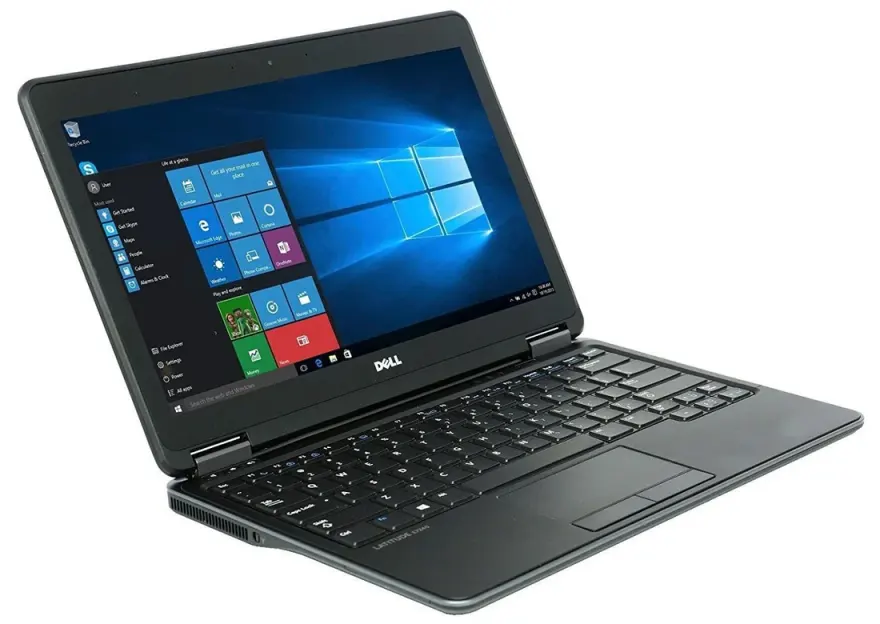
At N.N Laptops, we often see students looking for these high-performance drives to complement their used laptops in Lahore, ensuring their workflow isn't bottlenecked by slow storage.
USB Sticks: The Convenient Carry-All
USB flash drives, often referred to as thumb drives or pen drives, have been a staple for data transfer for years. Their primary appeal lies in their extreme portability, simplicity, and generally lower cost compared to SSDs. For quick file sharing between computers, storing essential documents, or creating bootable OS installers, a USB stick remains a practical tool.
When a USB Stick Makes Sense for Students
- Budget Constraints: A 1TB USB stick, while becoming more common, is still significantly more expensive than a comparable capacity HDD, but generally cheaper than a 1TB external SSD. However, finding reliable 1TB USB sticks from reputable brands can be challenging, and cheap, unbranded ones are notoriously unreliable.
- Occasional Large File Transfer: If your primary need is to move files infrequently and speed isn't a major concern, a USB stick can suffice.
- Bootable Media: Creating bootable USB drives for operating system installation or recovery tools is a primary use case where speed is less critical than compatibility.
- Simple Document Storage: For storing only text documents, PDFs, and other small files, the speed of an SSD is overkill.
The Downsides of 1TB USB Sticks
While the allure of a tiny, high-capacity USB stick is strong, there are significant drawbacks, especially for students in Pakistan:
- Speed: Even the fastest USB 3.2 Gen 2x2 or USB4 sticks pale in comparison to external SSDs. Expect speeds typically ranging from 100MB/s to 400MB/s, which is considerably slower for large files.
- Durability: The small form factor often means they are easily lost, broken, or have fragile connectors. The internal components are also more susceptible to damage from drops and static electricity.
- Reliability & Longevity: Cheaper USB sticks, especially those claiming very high capacities at low prices, are often counterfeits or use inferior memory cells that can fail prematurely. This is a significant risk for valuable academic data.
- Heat: During sustained high-speed transfers (if the stick even supports them), USB sticks can get surprisingly hot, which can degrade performance and lifespan.
Direct Comparison: SSD vs. USB Stick for 1TB Capacity
Let's break down the key differences when comparing 1TB external SSDs and 1TB USB sticks:
| Feature | 1TB External SSD | 1TB USB Stick |
|---|---|---|
| Speed (Read/Write) | 500MB/s - 3000MB/s+ | 100MB/s - 400MB/s (typically) |
| Durability | Excellent (shock, vibration resistant) | Poor to Fair (fragile, prone to loss) |
| Price (Approx. 1TB) | Rs. 22,000 - Rs. 40,000+ | Rs. 15,000 - Rs. 30,000 (for reputable brands) |
| Lifespan/Reliability | Very Good | Fair to Poor (especially cheaper models) |
| Form Factor | Compact, slightly larger than USB | Very Small, easily lost |
| Power Consumption | Slightly Higher | Lower |
The Verdict for Pakistani Students: For a 1TB drive, the speed and durability benefits of an external SSD almost always outweigh the slightly higher cost and larger size compared to a USB stick. The risk of data loss or slow performance with a 1TB USB stick is simply too high for critical academic work.
Real-World Scenarios in Lahore
Imagine you're a university student in Lahore. You have a crucial final project due, involving large video files and simulation data. You've been working on your laptop at home, but need to present it at university.
- Scenario A (External SSD): You copy your 50GB project folder to your 1TB Samsung T7. It takes about a minute. You plug it into the university computer, and your editing software loads instantly from the SSD. Your presentation runs smoothly.
- Scenario B (USB Stick): You copy the same 50GB folder to a 1TB USB stick. It takes 20-30 minutes, and the USB stick gets quite warm. At university, the computer struggles to read the large files, and your software is sluggish. You're constantly worried the stick might get unplugged or overheat.
Furthermore, consider the unpredictable power outages common in Pakistan. A sudden surge or loss of power during a data transfer to a less robust USB stick can be catastrophic. An external SSD, while not immune, is generally more resilient to such events.
Frequently asked questions
Is a 1TB USB stick reliable enough for university assignments?
For critical assignments involving large datasets or multimedia, a 1TB USB stick is generally not recommended due to slower speeds and lower reliability compared to external SSDs. While convenient for small files, the risk of data corruption or slow performance can jeopardize your academic work.
What is the fastest 1TB storage for a student under Rs. 30,000?
Within the Rs. 22,000-30,000 range for 1TB, you can find excellent entry-level to mid-range external SSDs like the Crucial X8/X9 Pro or potentially a good deal on a Samsung T7 or SanDisk Extreme Portable SSD if on sale. These will offer significantly faster speeds than any USB stick in that price bracket.
Can I run Windows or other software from a 1TB external drive?
Yes, you absolutely can run operating systems and software from both external SSDs and high-speed USB sticks. However, an external SSD will provide a vastly superior and more responsive experience due to its much higher read/write speeds. Running demanding applications from a USB stick can be frustratingly slow.
Where can I buy reliable 1TB external SSDs or USB sticks in Lahore?
For reliable storage solutions in Lahore, visit N.N Laptops at Shop 66A, Hafeez Center, Gulberg III. We offer a range of quality used laptops and accessories, including external storage options. You can also contact us via WhatsApp at 0314 4000131.
How does the 30-day check warranty affect my purchase decision?
Our 30-day check warranty at N.N Laptops provides a crucial safety net. It ensures that any external storage device you purchase from us is thoroughly tested and functions correctly within the initial period. This peace of mind is particularly important when investing in higher-capacity drives like 1TB SSDs or USB sticks, allowing you to identify and resolve any potential issues early on.
Conclusion: Invest in Performance and Reliability
For Pakistani students in 2026, the choice between a 1TB external SSD and a 1TB USB stick is clear. While USB sticks remain useful for basic file transfers, the demands of modern academic work necessitate the superior speed, durability, and reliability offered by external SSDs. For a 1TB drive, the investment in an SSD will pay dividends in productivity, reduced frustration, and the safety of your valuable data. Visit N.N Laptops in Hafeez Center, Lahore, or contact us at 0314 4000131 for expert advice and to find the perfect storage solution for your needs. We offer delivery across Lahore!
Talk to us
Questions about anything in this post, or want a personalised recommendation? WhatsApp the shop directly.
WhatsApp 0314 4000131